


-

Add: HeBei ShengShi HongBang Cellulose Technology CO.,LTD.
-

Email
13180486930@163.com -

CONTACT US
+86 13180486930

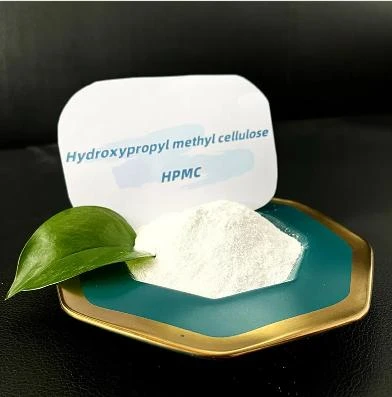


In the vast landscape of chemical manufacturing, Hydroxypropyl Methylcellulose (HPMC) stands out as a crucial compound with diverse applications ranging from construction to pharmaceuticals. When it comes to sourcing HPMC, China emerges as a dominant player in the global market, home to some of the most reputable manufacturers known for producing high-quality HPMC products. This article explores the landscape of HPMC manufacturers in China, emphasizing the importance of Experience, Expertise, Authoritativeness, and Trustworthiness (E-E-A-T) for international buyers seeking reliable partners. Navigating the intricate world of chemical suppliers, buyers often seek companies with extensive experience, as it serves as a testament to a manufacturer’s ability to consistently produce quality products and adapt to changing market demands. China’s HPMC manufacturers typically boast decades of experience in the field . These manufacturers have honed their production processes to ensure high purity and consistency, critical factors for industries such as pharmaceuticals, where HPMC is used in drug formulation. Expertise is another critical factor that sets top Chinese HPMC manufacturers apart. The best manufacturers invest in cutting-edge research and development to refine their production processes continually. This commitment not only enhances the quality of their products but also expands their application range – from improving water retention in cement-based materials to acting as a binder and viscosity agent in food products. Many leading Chinese manufacturers maintain state-of-the-art laboratories and collaborate with research institutions to stay at the forefront of technological advancements in polymer science. The authoritativeness of a manufacturer can often be gauged by their certification credentials and international recognition. Top-tier HPMC manufacturers in China typically hold various international certifications such as ISO 9001 for quality management systems and GMP (Good Manufacturing Practice) for pharmaceutical-grade HPMC. Such certifications underscore their commitment to maintaining rigorous quality standards. Moreover, these manufacturers often participate in international exhibitions and trade fairs, which not only boost their industry reputation but also provide platforms for showcasing their innovative products globally. hpmc manufacturers in china Trustworthiness is paramount in selecting the right HPMC manufacturer. Chinese manufacturers often foster trust by engaging transparently with international clients, offering comprehensive information on product specifications, production processes, and quality assurance measures. Furthermore, many reputable manufacturers provide supply chain transparency, allowing clients to trace the journey of their products from production to delivery. By building long-term relationships with clients and offering excellent after-sales support, Chinese HPMC manufacturers cultivate a sense of trust essential for successful business partnerships. While selecting an HPMC manufacturer in China, international buyers are encouraged to conduct thorough due diligence. Engaging with manufacturers who have a substantial online presence, positive client reviews, and robust customer service can significantly impact the ease and success of business transactions. Moreover, leveraging platforms like trade associations and networking events can provide additional insights into the reliability and capabilities of potential suppliers. In conclusion, the landscape of HPMC manufacturers in China is characterized by profound expertise, solid experience, and a commitment to quality, making it a fertile ground for sourcing this vital compound. By emphasizing the E-E-A-T principles, international buyers can navigate this competitive market effectively, ensuring they partner with manufacturers who align with their strategic and operational goals. Such an informed approach not only optimizes product acquisition but also lays the foundation for long-lasting, mutually beneficial partnerships in the vibrant chemical manufacturing industry.
- 40000tons

Production
- 20+years

Experience
- 5000+㎡

Acreage

-
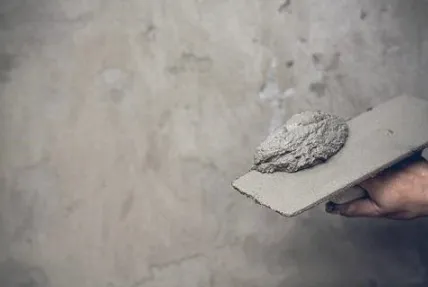
Utilizing Hydroxypropyl Methylcellulose (HPMC) in Skim Coats Expert Insights Hydroxypropyl Methylcellulose (HPMC) has emerged as a vital component in the construction industry, particularly in the formulation of skim coats. Its application not only enhances the overall quality of the finish but also optimizes the working conditions for contractors. As an expert delves into the nuanced benefits of HPMC for skim coats, it becomes evident that it is an indispensable material fostering exceptional results, grounded in its scientific properties and practical application. When it comes to producing a smooth, durable skim coat, understanding the precise role of HPMC is critical. Serving as a thickener, binder, film-former, and water retention agent, HPMC fortifies the coat, ensuring its consistent texture and durability. Its ability to improve the workability of the plaster or stucco by controlling its viscosity places it in high regard among applicators aiming for precision and ease of application. In practical settings, the water retention capacity of HPMC allows for extended working times which becomes crucial in high-temperature or low-humidity environments. This property not only ensures that the coat does not set too quickly, allowing for leisurely manipulations and adjustments but also aids in preventing cracks that might occur due to rapid evaporation of water from the mix. The excellent tensile strength provided by HPMC ensures that the final set coat is not only visually appealing but also robust in structure. Another valuable contribution of HPMC to skim coats lies in its adhesive properties . By improving the adhesion between the skim coat and its substrate, HPMC helps in minimizing detachment risks and ensures the longevity of the finish. This adhesive enhancement is vital for large-scale projects where the structural integrity of the coat is non-negotiable. hpmc for skim coat Technical expertise underscores the versatility of HPMC in adjusting setting times. By tailoring the quantity of HPMC in the mixture, professionals can manage setting and curing times to align with specific environmental conditions and project schedules. This adaptability underscores HPMC's critical role in mitigating project risks associated with weather-induced delays or imperfections. Moreover, incorporating HPMC optimizes the surface activity of skim coats, contributing significantly to enhanced stain resistance and finishing quality. Its ability to form an evenly distributed film over surfaces ensures that the final finish can resist external contaminants, providing a cleaner and more resilient surface. The authoritative endorsement of HPMC for use in skim coats is well-established through scientific research and real-world applications. Industry experts consistently rely on HPMC due to its proven, reliable performance and economic feasibility. As a scientifically backed additive, it garners trust not only from contractors and builders but also from environmental scientists for its non-toxic nature and biodegradability. This eco-friendly profile of HPMC solidifies its standing as a sustainable choice in modern construction practices. Increasingly, the construction industry values such sustainable practices, and HPMC's profile aligns well with green building standards, making it an ideal choice for contemporary projects. As building practices evolve towards more sustainable and environmentally friendly methods, materials such as HPMC gain prominence for aligning with these future-forward standards and regulations. In conclusion, the utilization of HPMC in skim coat formulations brings substantial technically and environmentally grounded improvements, enhancing the quality and lifespan of the coat. Its robust physical properties foster reliability and adaptability crucial for modern building demands. As the construction sector continues to lean into these multi-benefit materials, industry experts can confidently assert that HPMC not only meets but surpasses current standards for enhancing construction material performance. Its established efficacy, coupled with environmental compatibility, presents HPMC as a trusted choice for skim coat applications.
-

Concrete polypropylene fibers have revolutionized the construction landscape, offering an innovative solution to the age-old challenges in building materials. These synthetic fibers bring a myriad of benefits that enhance the structural integrity and durability of concrete infrastructures, and their real-world applications are proving them to be indispensable. In practice, builders and engineers alike have recognized the transformative impact of incorporating polypropylene fibers into concrete mixtures. Through firsthand experience, seasoned professionals have observed that these fibers significantly reduce cracking tendencies. Post-construction, this feature translates to lowered maintenance costs and extended longevity of concrete structures, creating a cost-effective solution in both short-term and long-term scopes. From the standpoint of expertise, it’s crucial to delve into the composition and benefits that make concrete polypropylene fibers stand out. Originating from thermoplastic polymers, these fibers offer high resistance to various physical and chemical impacts. The expert consensus highlights the fibers’ strength in enhancing resistance to freeze-thaw cycles, a common concern in regions with fluctuating climates. By reinforcing the concrete matrix, polypropylene fibers decrease permeability and offer enhanced protection against water infiltration, thus maintaining the structural integrity over time. In laboratory environments, precise tests have consistently demonstrated the advantages of these fibers. Researchers specializing in materials science have empirically validated that polypropylene fibers improve impact resistance and mitigate splitting, especially in high-traffic areas like pavements and industrial floors. These findings are corroborated by data showing reduced occurrences of micro-cracking during the curing process, setting a new benchmark in concrete durability. Authoritative bodies in the construction industry have recognized the benefits of using polypropylene fibers, therefore endorsing their use through updated building codes and standards. Organizations such as the American Concrete Institute (ACI) and the British Standards Institution (BSI) have integrated guidelines that recommend the use of synthetic fibers for concrete reinforcement. This endorsement not only reflects the growing trust in these materials but also guides best practices in application techniques. concrete polypropylene fibers Credibility in using concrete polypropylene fibers is further established through numerous successful projects globally. An exemplar is the construction of high-rise buildings in seismic zones, where the fiber-reinforced concrete has provided enhanced structural stability. Engineers involved in these projects report that the fibers allow for more flexible and adaptive designs, accommodating various architectural specifications without compromising safety or quality. Bringing a practical perspective, contractors with extensive field experience often highlight the ease of using polypropylene fibers during concrete mixing and pouring. Unlike traditional reinforcement methods, these fibers distribute uniformly throughout the mix, ensuring comprehensive protection and reinforcement. This uniformity contributes to a smoother preparation process and ultimately, superior finish quality in architectural applications. Trust in polypropylene fibers is also underscored by their environmental benefits . As sustainable building practices gain traction, these fibers contribute to eco-friendly construction goals by potentially reducing the need for other less sustainable reinforcement materials. Their production and integration result in a smaller carbon footprint, making them a fitting choice for projects aiming for green certifications and reduced environmental impact. In conclusion, the integration of concrete polypropylene fibers marks a significant advancement in modern construction practices, addressing long-standing challenges with innovative solutions. Professionals armed with both empirical evidence and field data assert that these fibers deliver unparalleled benefits in terms of durability, cost-efficiency, and environmental impact. As industry standards continue to evolve, the reliance on, and trust in, polypropylene fibers is poised to grow, positioning them as a key component in the future of sustainable and resilient construction.
advantages
-

200000 Viscosities
Excellent product
We can produce pure products up to 200,000 viscosities
-

40000 tons
High yield
We don’t stop production all year round, and the annual output can reach 40,000 tons
-

24 hours
Quality service
We provide 24-hours online reception service, welcome to consult at any time
———— Inquiry Form
Schedule A services

-
 hpmc_hydroxypropylmethylcellulose
Oct . 25, 2025
Hydroxyethyl starch (HES) has surged into focus as a powerful tool within the medical and healthcare -
 starch_ether
Oct . 25, 2025
Exploring the Intricacies and Applications of HPMC Coating HPMC, or Hydroxypropyl Methylcellulose, c -
 hpmc_dextran
Oct . 25, 2025
Acid-modified starch, an innovative alteration of native starch, has garnered attention for its uniq


